Commercial solar
Module Hot Spot Investigation for Commercial PV
Define a commercial PV hot spot investigation with usable thermal evidence, targeted electrical checks and clear approval boundaries.
6 min read

Solarpanels.cy Editorial publishes practical guides to commercial solar delivery, maintenance operations and financial workflows. Its comparisons explain the business requirements, source information and reasoning behind each recommendation.
Published · Updated
Start with the decision the investigation must support
A module hot spot investigation should establish what evidence supports continued operation, further testing or a proposed intervention. For a commercial solar operator in Cyprus, the useful purchase is a reasoned engineering assessment tied to identifiable equipment. A folder of colourful thermal images leaves the operator with the harder questions: which observations matter, what remains uncertain, and who decides the operational response?
Write the brief around a concrete trigger, such as a recurring thermal anomaly, a string producing differently from comparable strings, or a finding during commissioning. State whether the assignment covers one reported module, its electrical neighbours or the whole array. Include the operating history and previous interventions. Ask the investigator to distinguish observed condition, possible explanation and recommended next action throughout the report, so an initial screening result cannot silently become a confirmed component diagnosis.
Require traceable images and operating conditions
Every reported anomaly needs a location that a technician can find again: array block, row, module position and, where available, serial number. Pair the thermal view with a visible image and the drawing reference. Preserve original image files rather than retaining only annotated screenshots. Record the acquisition time and relevant operating data so a later reviewer can connect the image to what the plant was doing.
Thermal visibility depends on inspection conditions. A DTU presentation hosted by IEA PVPS demonstrates that irradiance, spatial resolution and module design influence which defects appear in infrared images. It also shows that different causes can produce different or ambiguous patterns. These findings justify recording conditions and limitations; they do not supply a universal acceptance temperature for every installation. Ask the contractor to identify the inspection method and explain whether the conditions were suitable for the specific question. DTU thermography presentation
Separate the thermal observation from its cause
A hot region is evidence of a temperature difference, not a complete failure explanation. Surface contamination, shading, an electrical connection issue and an internal module problem lead to different responses. The report should identify which explanations remain plausible and what observation would distinguish them. A statement such as 'suspected bypass-diode issue' should retain that uncertainty until appropriate supporting evidence is available.
IEA PVPS describes several module failure modes and links them with different characterisation methods, including visual inspection, thermography and electroluminescence. That supports combining evidence rather than treating one technique as conclusive. For procurement, require the investigator to explain why an additional test would change the decision. An expensive test that cannot distinguish the remaining alternatives adds little value. Conversely, a close visual examination or comparison with operating records may resolve a question that aerial screening alone leaves open. IEA PVPS module failure review
Define targeted follow-up and explicit exclusions
The first appointment should specify whether it includes desktop review, accessible visual inspection, thermography and interpretation. Electrical measurements, module removal, electroluminescence, laboratory assessment and warranty administration should each be included explicitly or identified as a possible later stage. State who provides access, shutdown coordination and the current electrical drawings. Otherwise two offers can appear comparable while buying substantially different evidence.
Keep intrusive work conditional on an agreed method and competent personnel. The article is not an instruction to disconnect strings, open junction boxes or provoke a fault. Ask the appointed specialist to identify the necessary operating state and access controls. For a maintenance enquiry, the site's solar maintenance comparison page provides an appropriate starting point, but the request should name thermal investigation and reporting specifically. General cleaning or routine servicing should not be assumed to include those tasks.
Connect findings to commissioning and operating limits
At commissioning, compare the finding with the accepted equipment schedule, string arrangement and recorded baseline. An anomaly on a newly energised array raises different questions from one that appears after years of operation. Establish whether the module location, cabling or surrounding shading differs from the approved design. Retain the original commissioning evidence so subsequent repair work does not erase the starting condition.
During operation, ask the responsible engineer to state any temporary restriction, the equipment affected and the condition for reassessment. The operator should know whether a recommendation concerns one module, one string or a wider area. This assessment should consider the actual electrical configuration. The existing guide to DC capacity, AC output and inverter limits helps explain that boundary: a module observation and a plant-level output limit describe different parts of the system.
Use a worked example to test the proposed scope
Consider a hypothetical commercial roof where a survey flags one warm cell-sized region and a nearby string has lower recorded output. The operator requests replacement immediately. A better investigation first checks whether the image and string data refer to the same equipment and time. The visible photograph shows a local deposit, while the string comparison was made during different shading conditions. Neither observation yet proves an internal module defect.
The specialist proposes a manufacturer-compatible cleaning intervention, records its timing and repeats the relevant observations under suitable conditions. If the thermal feature disappears, the report can close that observation while treating any remaining string underperformance separately. If it persists, targeted electrical or imaging work may be justified. This example illustrates how to avoid joining unrelated evidence into a convenient diagnosis. It does not predict the outcome of cleaning, establish safety from an image or authorise continued operation.
Assign approval before any equipment change
Separate the investigator's recommendation from authority to spend, alter equipment or return it to service. The asset owner may approve expenditure, while the appointed electrical professional assesses technical compatibility and commissioning. The equipment supplier may also need evidence before considering a warranty claim. Name those roles in the brief, including the person who can authorise additional investigation when the first visit is inconclusive.
A proposed replacement should identify the actual product and assess its compatibility with the retained array. Similar advertised wattage does not establish interchangeability. Require an updated equipment record and any affected design checks before accepting a substitution. If a contractor proposes changing string allocation to accommodate the replacement, treat that as a design change with its own assessment. The investigator should not acquire blanket approval to redesign the system merely because a thermal survey found an anomaly.
Accept a report that closes the decision
The final deliverable should connect each significant observation with its evidence, confidence, action and responsible person. Uninspected areas must remain identifiable. Where conditions prevented a useful assessment, the report should explain which question remains unanswered and what would make a repeat visit worthwhile. A whole-array clearance is inappropriate when the appointment covered selected locations or images lacked the resolution needed for the suspected problem.
Close corrective work with the relevant repeat observations, commissioning record and updated equipment identification. Keep unresolved performance questions separate from completed repairs. The practical acceptance question is whether another competent reviewer can follow the reasoning without relying on a telephone explanation. When requesting proposals through SolarPanels.cy, describe the plant, investigation trigger and required report, then discuss the technical scope with a qualified solar specialist before agreeing the appointment.
Frequently asked questions
Does a hot spot prove that a module must be replaced?
No. A thermal anomaly needs interpretation alongside visible condition, operating state and appropriate follow-up evidence. The responsible specialist should explain what supports replacement.
Is a drone thermal survey a complete investigation?
It can provide screening and location evidence. Whether it answers the engineering question depends on image quality, conditions, coverage and the supporting observations.
Who approves continued operation?
The project should identify the competent professional responsible for the technical assessment and the operator responsible for implementing its outcome. A survey image alone does not establish an operating instruction.
Should cleaning be included in the same quotation?
It can be a conditional stage, with an appropriate method and repeat observations specified. Keep the investigation, cleaning intervention and any component replacement separately identifiable.
Describe your investigation needs and discuss the technical scope with a qualified solar specialist.
Sources
- DTU / IEA PVPS — Frame Conditions for Thermography Inspections of Photovoltaic Plants — retrieved 2026-10-15
- IEA PVPS — Review of Failures of Photovoltaic Modules — retrieved 2026-10-15
01More on this topic
Same cluster.Different question.
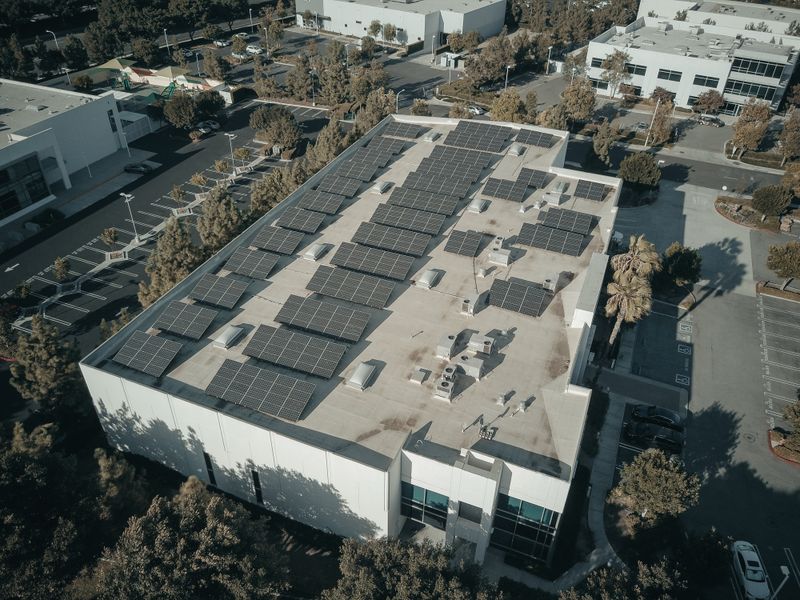 6 min read
Inverter Firmware Change Control for Commercial PV
Control inverter firmware changes with a fault decision path, configuration evidence, staged verification and defined recovery responsibilities.
- 6 min read
Interval Data Gaps in Performance Ratio Calculations
Handle missing PV records with matched energy and irradiance intervals, transparent recovery methods and clearly qualified performance ratios.
- 6 min read
Rooftop String Cable Segregation: Compare the Design
Assess commercial rooftop PV cable routes through circuit identification, thermal design, connector support and coordinated segregation.
- 6 min read
Harmonic Measurements at a Commercial PV Connection
Turn harmonic readings into a focused follow-up plan with defined measurement boundaries, operating states, evidence and accountable owners.
- 6 min read
Zero-Export Fail-Safe Behaviour: Evidence to Request
Compare commercial PV export controls by their failure responses, commissioning evidence and recovery behaviour at the connection point.
- 6 min read
DC Insulation Resistance Test Conditions for Commercial PV
Specify meaningful DC insulation tests with clear circuit boundaries, environmental records, equipment limits and change-review triggers.
Where to go next
Companies, districts and the rest of the guides on this subject.

Thinking of doing this?Get up to five quotes, free.
Describe the installation and we will gather quotes from suppliers who specify before they price.